
A low-budget film does not need six months of national noise. It needs a clear reason for people in a reachable place to show up, and a plan that gives them that reason while tickets are available.
That is the core of Andromedia Studios founder Bill Dever’s marketing philosophy: trade the studio-style six-month awareness campaign for a focused six-week runway. Put the work where it can convert. Build regional relationships early. Make the screening feel like an event, not a tiny imitation of a blockbuster launch.
Start with the place you can reach
Bill credits producer Jim Wynorski with practical advice for independent filmmakers: build the movie around locations you can actually access, then market to the communities connected to those places.
That puts the script first. Reading the script is a foundational step: it shows that the filmmaker is serious about the craft, while revealing whether the story can be made with the resources and locations genuinely available. A strong premise should fit the production reality, and give the eventual audience a reason to care.
A recognizable town, lake, street, or local tradition is not just a budget-friendly backdrop. It can be the film’s invitation. Residents may recognize a place, a face, or a familiar detail, and share the film because it feels connected to their community. That is not a guarantee of ticket sales. It is a specific starting point for earning attention.
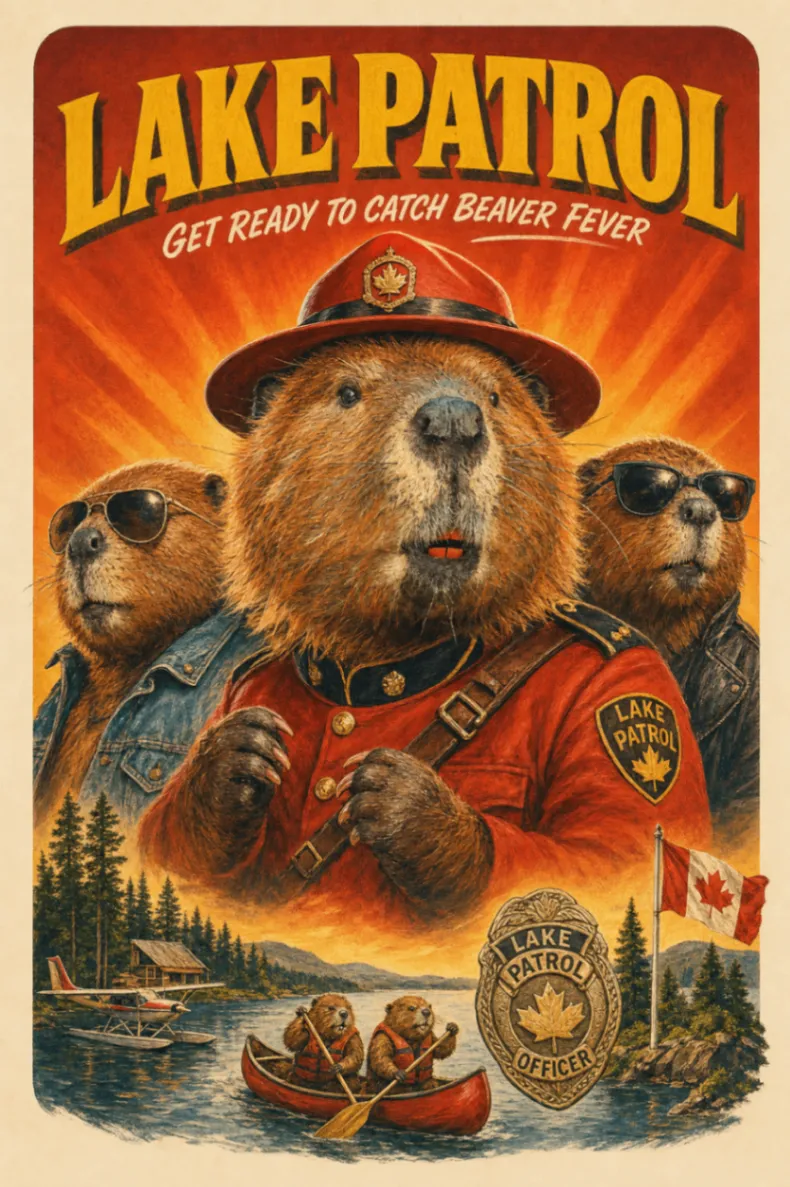
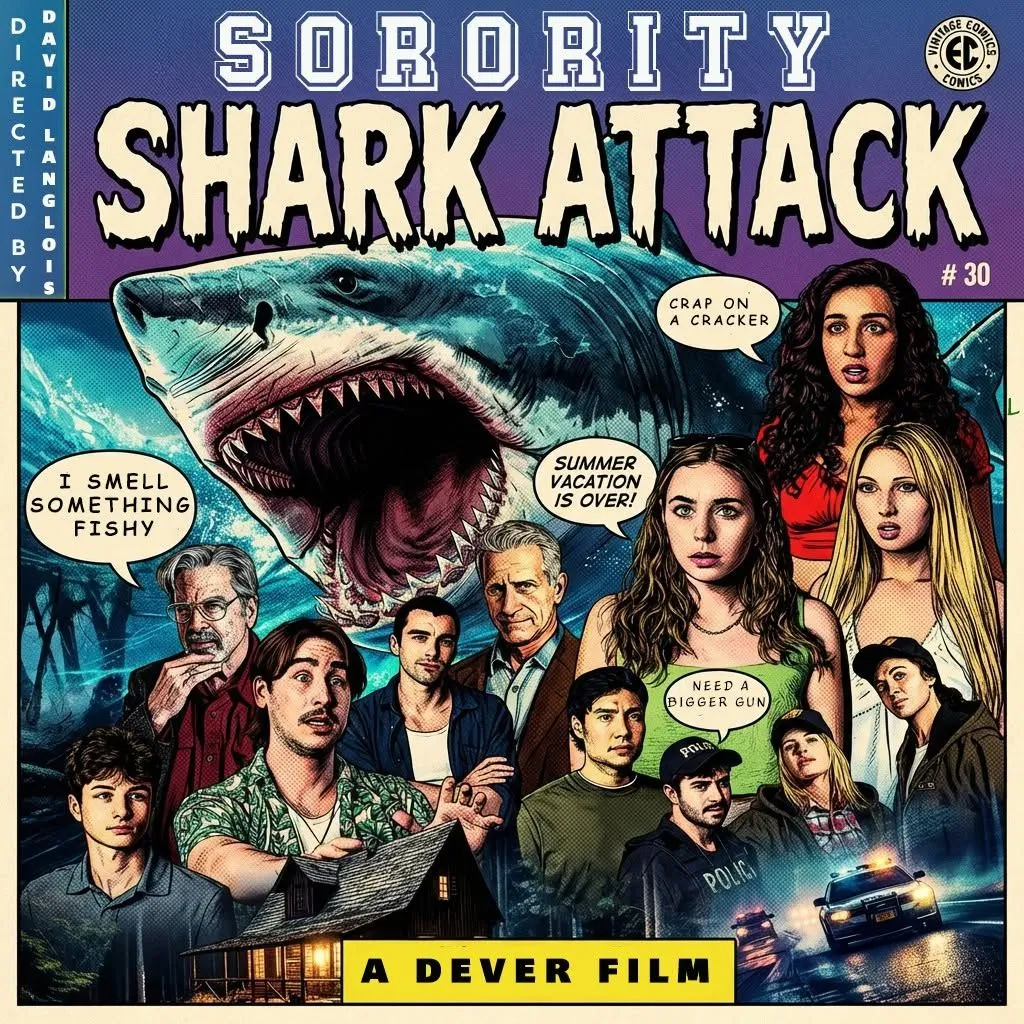
Andromedia’s Lake Patrol and Sorority Shark Attack put that approach into practice around Roseneath and the Rice Lake region. One sends cottage-country residents into a fight with greedy developers and an unusually rowdy beaver militia; the other brings a bio-engineered shark to an Ontario lake. The hooks are built for genre audiences. The settings give nearby communities another reason to look.
Productions returning to the area can also help build Roseneath as a regional media-production hub. That starts with repeat work and local relationships, not a label on a map. A town that welcomes crews, connects businesses with productions, and sees its locations on screen has a stake in the story, too.
Book the partners; don’t wait for permission
For low-budget genre movies, a small exhibitor is not a consolation prize. It can be a direct distribution partner.
Single-screen theaters, independent cinemas, and drive-ins can work with a film team to build a local screening around a Q&A, cast appearance, themed program, or community partner. The producer brings the film, local promotion, and event energy. The exhibitor brings a trusted venue and an audience relationship. That is a practical partnership, not a waiting room for a chain booking.
The United Drive-In Theatre Owners Association (UDITOA) lists 280 U.S. drive-ins and 480 screens open in 2025, compared with 283 drive-ins in 2024. UDITOA notes that the counts can change as theaters open, close, or change screens. It is a small, specialized exhibition scene, not a nationwide shortcut. But a genre film can still make a night of it there: cars, a big screen, a crowd, and a creature feature with excellent visibility under the stars.
Start by approaching venues directly. Offer a concise booking package: the film’s premise, trailer, runtime, technical details, proposed date, local connection, and a clear promotional plan. Ask what the venue needs to confirm a screening, and discuss event programming and ticketing early. A direct relationship with a small exhibitor can be the distribution plan, not just one possible outcome.
A six-week runway, built to convert
The runway works best when the basics are ready: the film is finished or on a reliable delivery path, the script and positioning are clear, and the team can provide a trailer, poster, stills, and screening details. Six weeks is not time to invent the movie. It is time to connect the movie with an audience that can act.
Six weeks out: choose your territory
Pick the first communities where the film has a real connection: its production location, cast and crew, subject, genre, or existing local relationships. Keep the campaign geographically focused rather than trying to speak to everyone at once.
Confirm venues and dates. Build a simple press kit with a short synopsis, trailer, poster, stills, filmmaker and cast details, and ticket information. Make the local hook easy to explain in one sentence. If the film is a sci fi film production, creature feature, thriller, or comedy, say so plainly; genre is useful audience guidance.
Four weeks out: announce what’s confirmed
Release the trailer and announce confirmed screenings. Give each venue and community a version of the campaign that names the place, date, and local connection. Send a short pitch to local newspapers, radio, community calendars, newsletters, and event programmers. Ask each partner to share a specific post or email, not merely to “spread the word.”
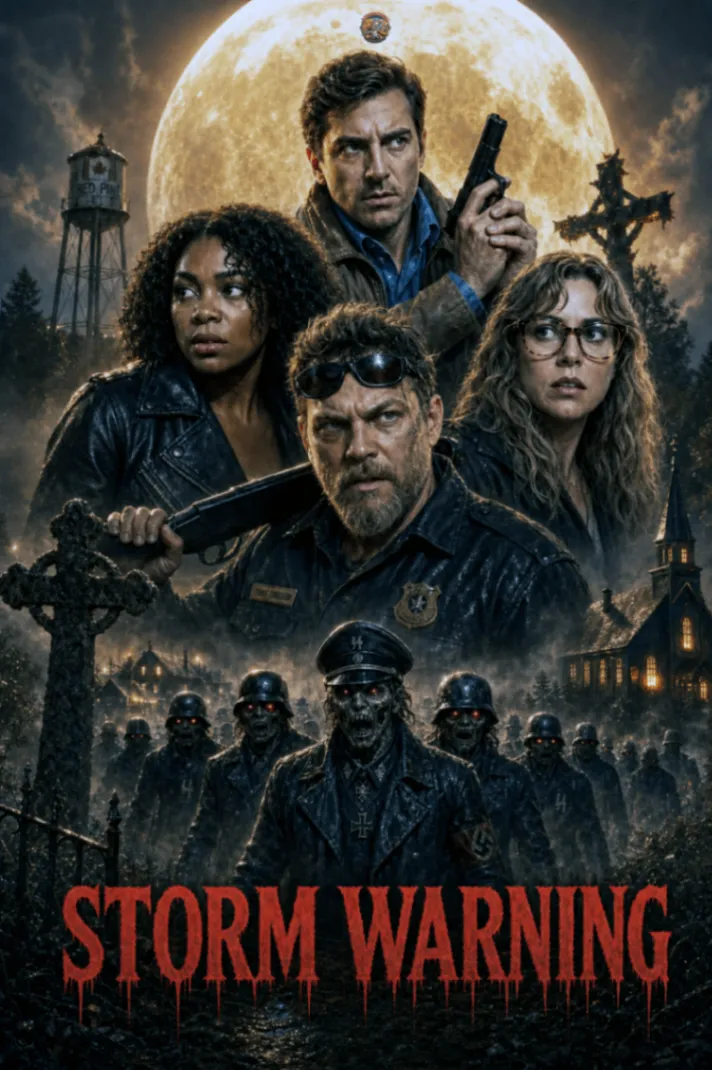
Introduce the people audiences will see on screen. Talent spotlights and cast-driven posts give a regional campaign a human face: local audiences may be more inclined to show up for someone they recognize. Andromedia’s Storm Warning ensemble series and Lake Patrol cast posts are examples of how a film can make its people part of the invitation.
Two weeks out: make the night tangible
Promote the event, not just the title. Share the screening time, venue details, ticket link, and any confirmed Q&A or local programming. Give exhibitors and community partners ready-to-use posts and images. Make it easy for a local organization, business, or fan group to invite its own audience.
If there is room in the budget, use small, tightly targeted digital campaigns around the confirmed venues. Keep the creative specific to each market, and focus on clear ticket information. A concise cast video or location clip can often do more for a local screening than a broad ad that reaches people who cannot attend.
Release week: show up and learn
Post reminders, share audience reactions, and make the screening details impossible to miss. If the filmmaker or cast can attend, use that presence to make the event feel personal. Ask venues and partners to share final reminders; keep the ticket link close.
After each screening, collect attendance and audience response from the venue, along with any useful photos or short testimonials. Use what works to support the next engagement. If one community responds strongly to a cast appearance or event format, carry that lesson into the next market. If a promotion misses, adjust it rather than repeating it everywhere.
Keep the campaign lean, and local
A six-week plan does not mean six weeks of constant posting or a pile of expensive video production services. It means preparing a small set of useful assets and adapting them for the places that can turn attention into attendance. A poster, a strong trailer, a few short cast clips, and a dependable ticket link can carry a focused campaign when local partners help put them in front of the right people.
The bigger principle is straightforward: low-budget genre producers and small, single-screen exhibitors have a reason to work directly together. Producers gain access to a venue and its local audience. Exhibitors get a distinctive title they can program as a shared event. That relationship is more useful than waiting for a national booking that may never arrive.
A six-week runway is enough when the film has a clear hook, the audience is reachable, and the partners know what to do. Start close to home. Give people a reason to gather. Then take the story to the next town.
Explore the Andromedia Studios slate, or contact the studio to start a conversation about a project or regional partnership.